iOS / iPadOS

mRetinaLearn — Your professional retinal platform for ophthalmologists

Designed & programmed by Dr. Ameen Marashi

To support faster, safer, and more consistent education in the retina clinic.

Introduction

mRetinaLearn is Your Companion in Retinal Education support in the retinal clinic. It combines a structured Educational Case Studies Explore intuitive drop‑down menus and toggle controls covering more than 20 common retinal diseases. Review educational information and guided reference content about retinal conditions for learning purposes only. OCT Educational Reference targeting common macular entities; and an on‑device FFA Educational Reference tuned for angiographic patterns. All processing happens locally on your device—no cloud, no patient data upload.

Use the Educational Case Studies to capture key elements (VA, stage, imaging, prior treatments), then review tailored educational information. The OCT and FFA references to provide outcome‑focused references to help triage and streamline learning. Results are not intended for educational purposes and —never replace—your clinical judgment.
  • Offline by design: privacy‑first, no accounts, no syncing.
  • Clinic‑ready: quick inputs, readable outputs, and practical educational guidance.
  • Transparent: targeted accuracies and known limitations by condition.
On‑device No cloud Clinic‑ready

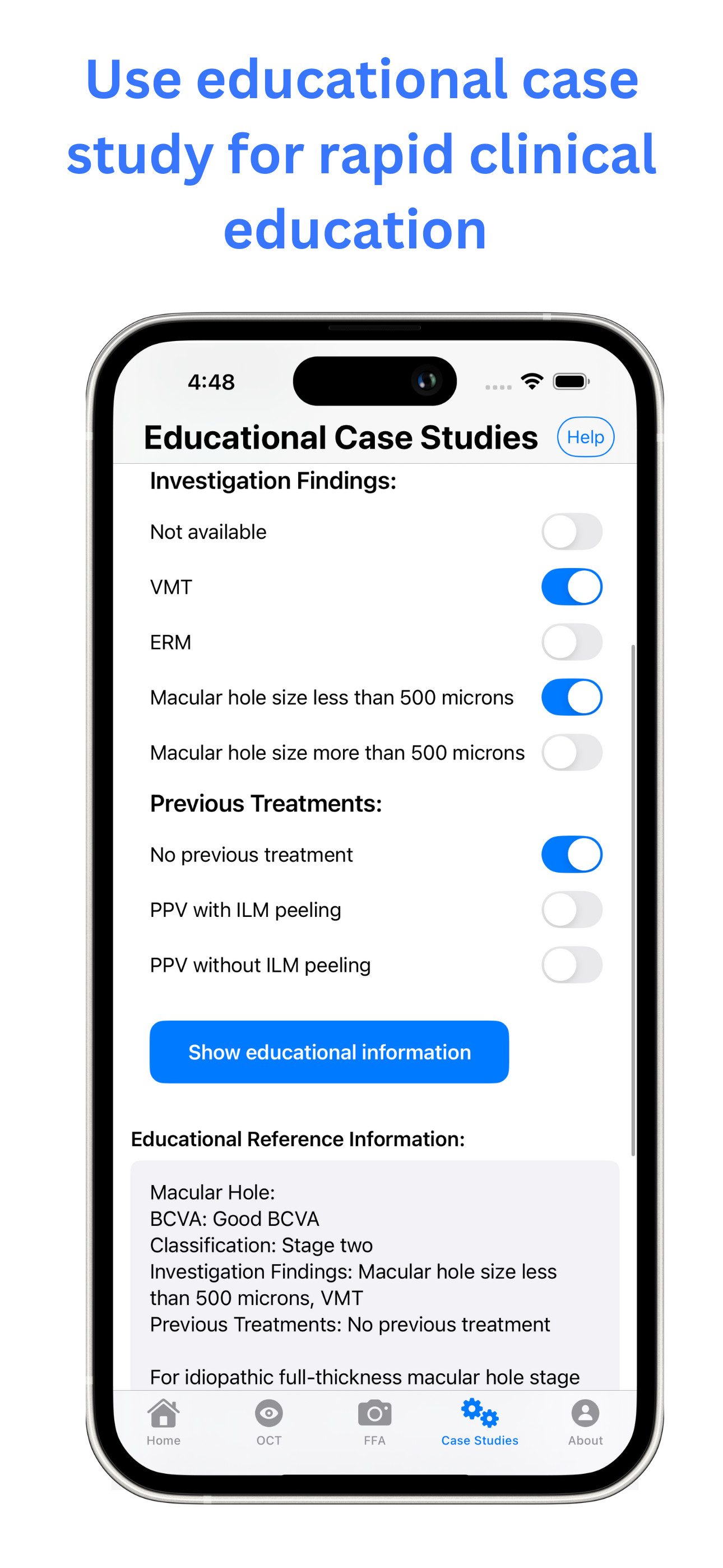
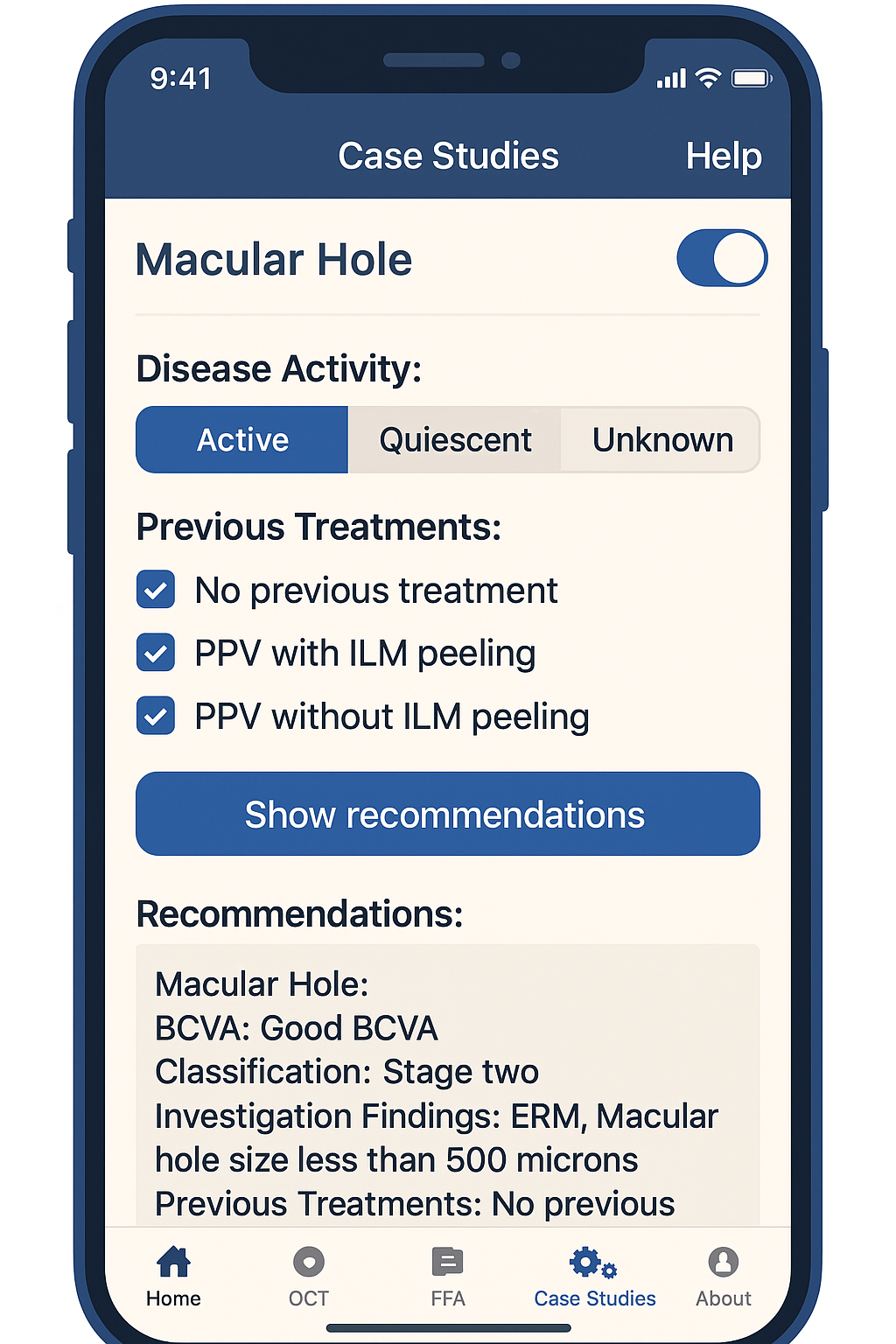
📋 Educational Case Studies

Build complete macula cases in minutes. The Case Studies structures history, exam, and imaging into a clean, clinic‑ready summary. It's designed for rapid triage and consistent documentation across common macular diseases.

  • Inputs: Visual acuity, symptoms & duration, laterality, key comorbidities, prior treatments (anti‑VEGF, laser, steroids), OCT/FFA findings, and risk factors (DM, HTN, anticoagulation).
  • Smart defaults: Context‑aware pickers and toggles minimize typing and keep notes standardized.
  • Outputs: Structured assessment, differential when relevant, and actionable educational suggestions for Education (e.g., treat/observe, follow‑up interval, adjunct imaging).
  • Consistency: Uses the same terminology and layout every time, improving communication between providers and across prompts.
  • Offline: Everything runs on‑device—no network, no data leaves your phone.

Tip: after generating the case, you can quickly cross‑check with the OCT/FFA references to align imaging‑based references with your educational impression.
On‑device Standardized Time‑saving
Case Studies preview

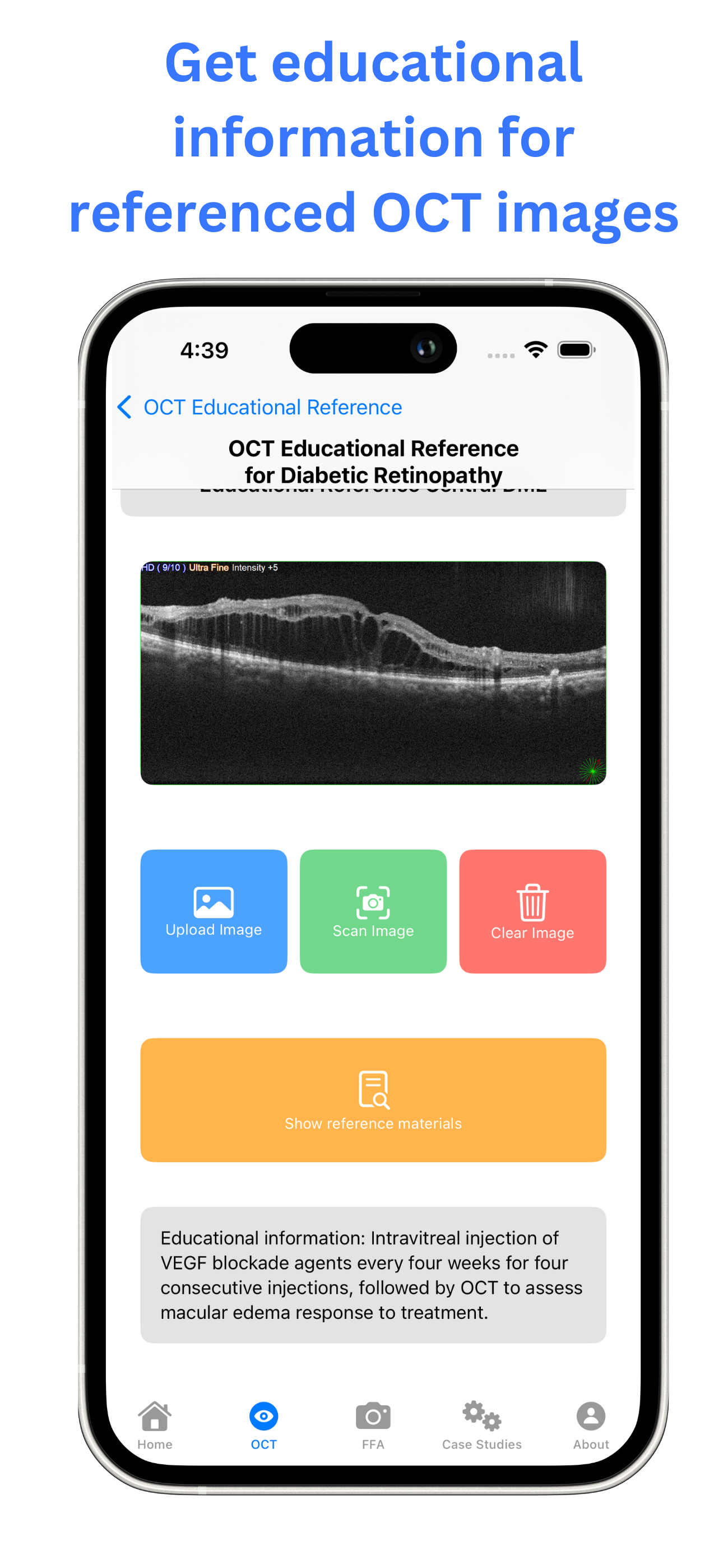
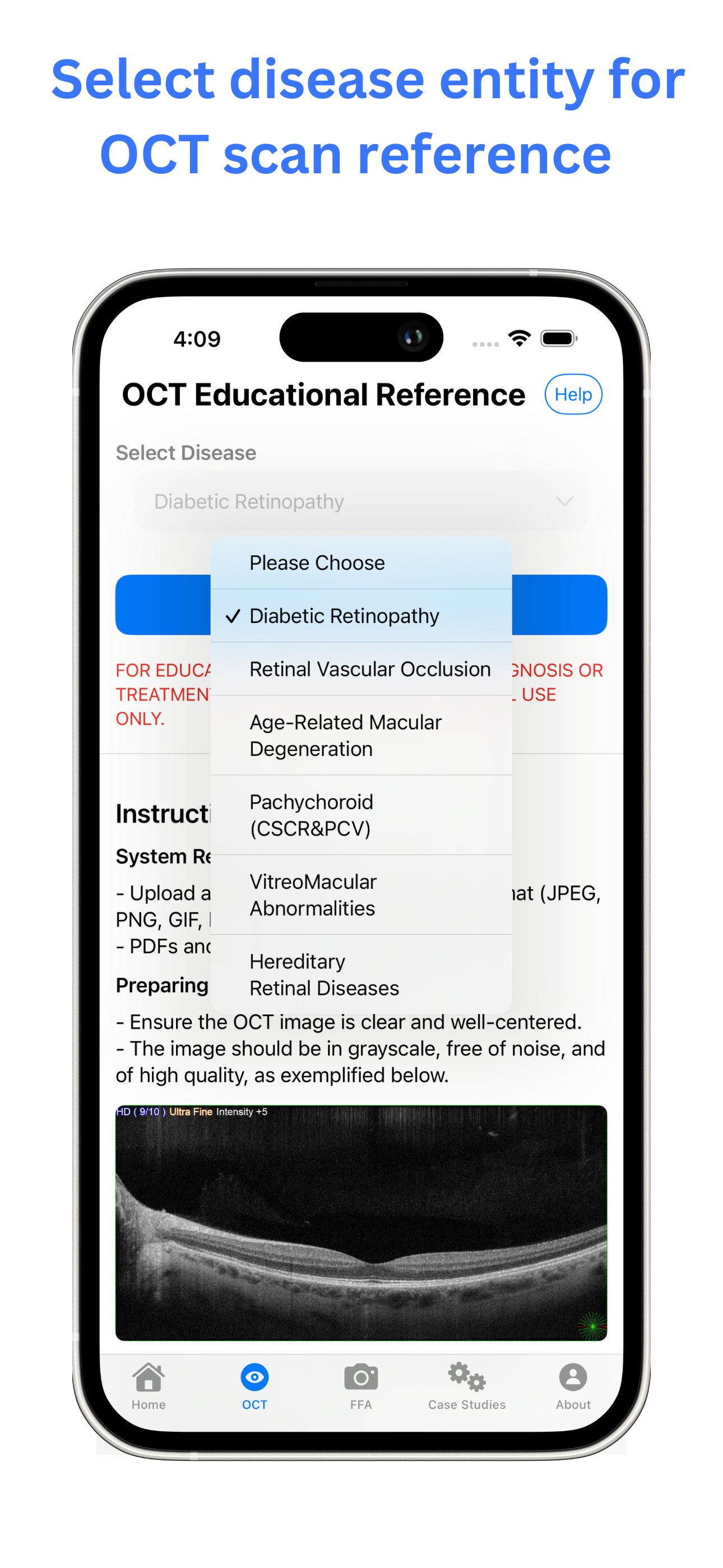
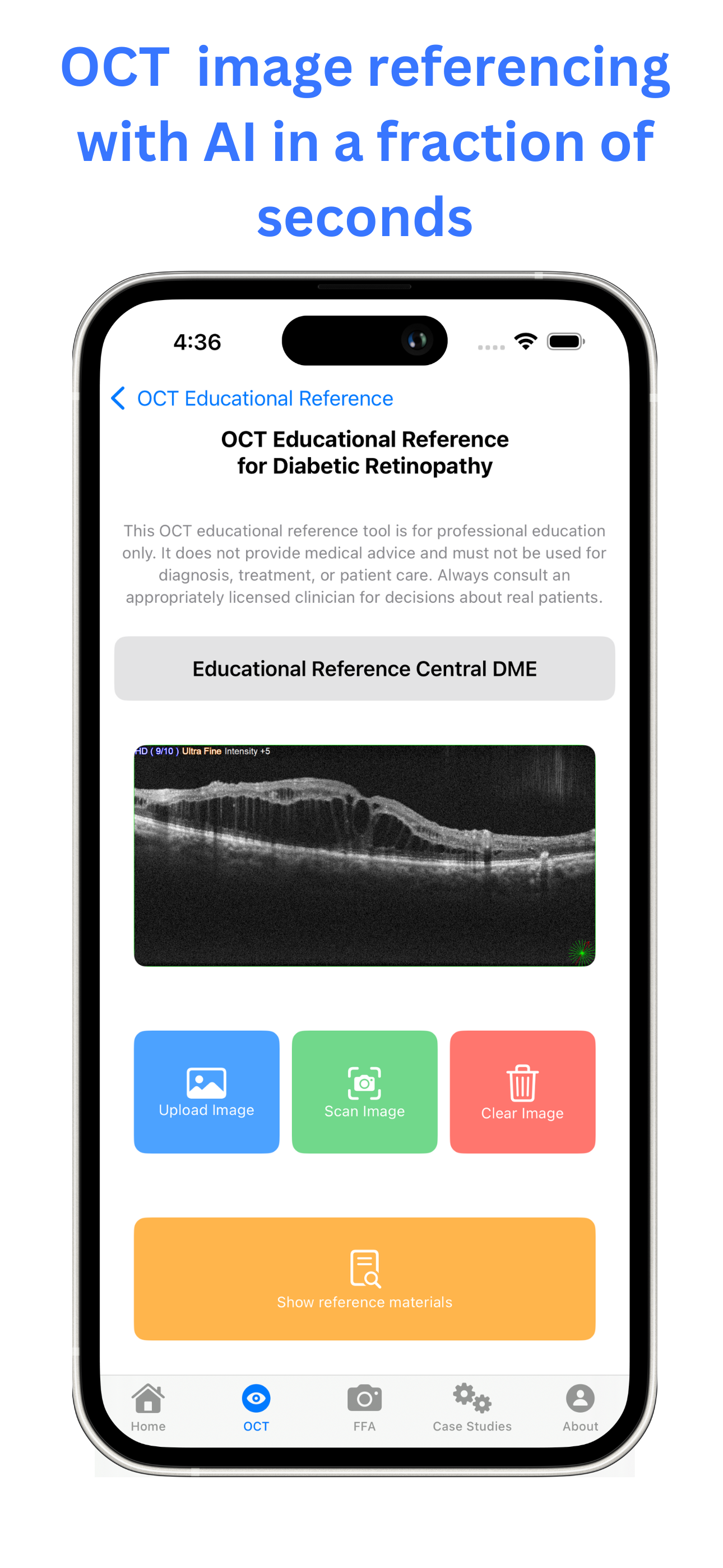
🔬 Educational OCT Reference

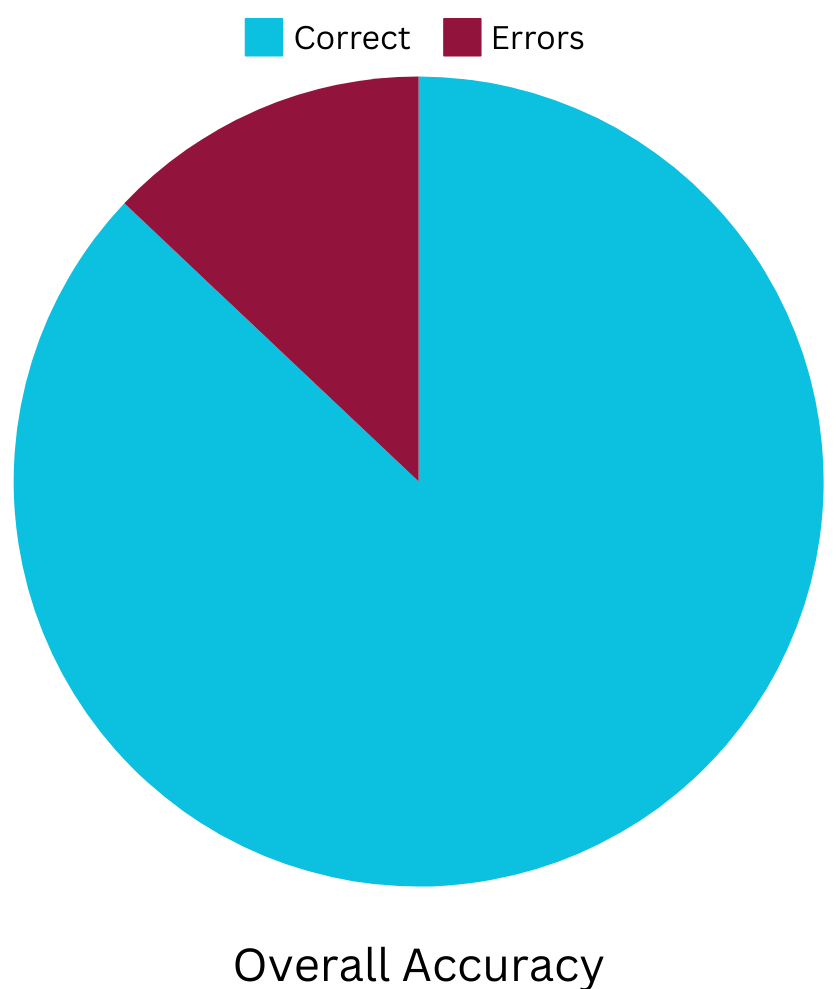
  • OCT Reference helps in Referencing macular diseases with up to 79.6% accuracy.
  • Choose a disease entity, view educational information, and streamline your plans for education.
  • Focuses on referencing diseases rather than extracting features or findings.

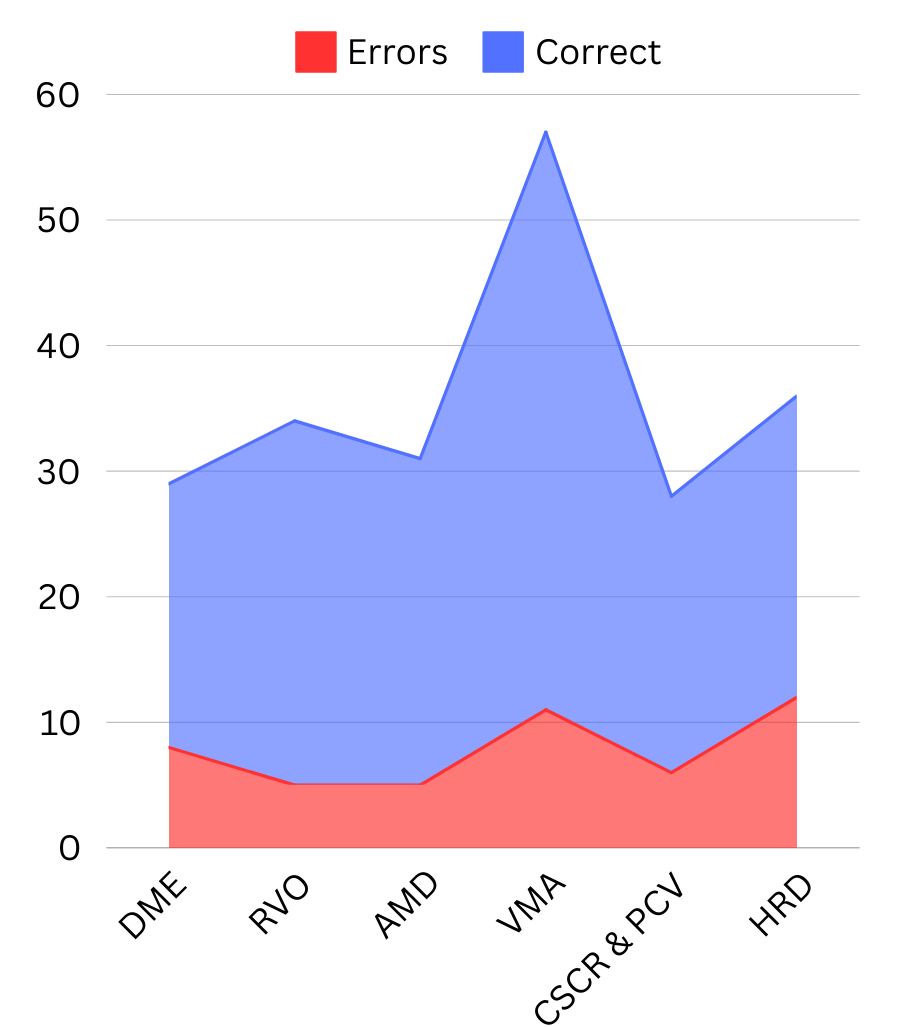
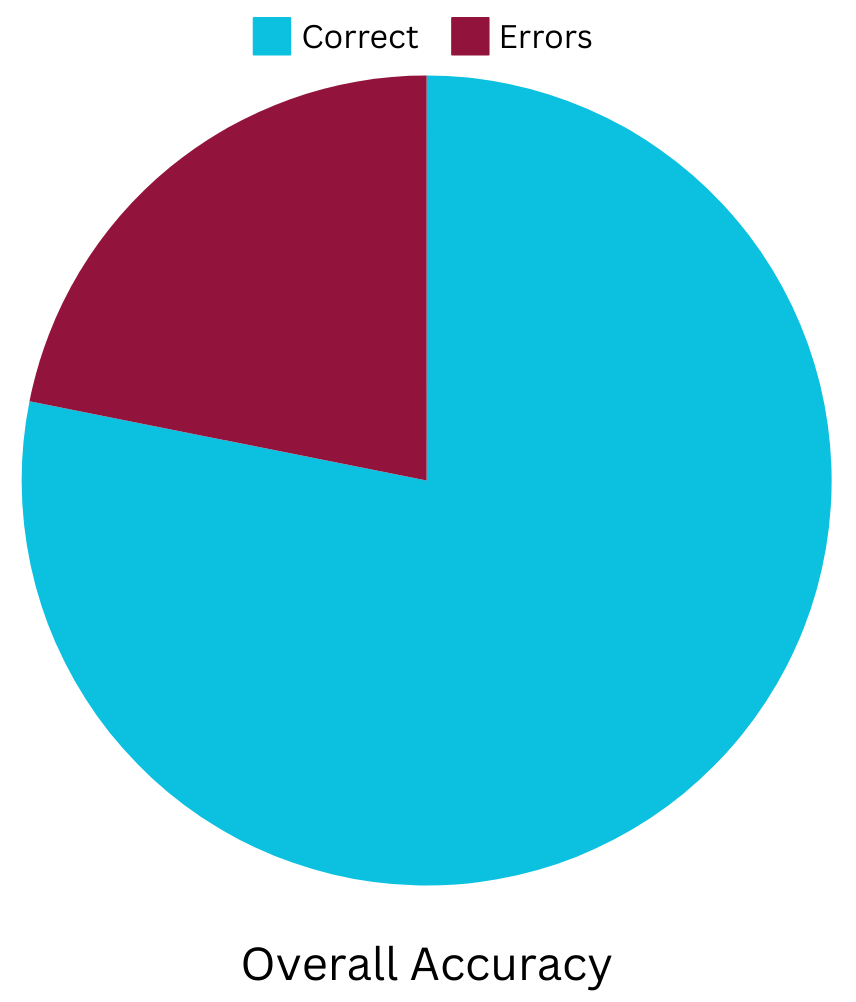
Overall Accuracy by Condition

  • DME (Diabetic Macular Edema): 72.4%
  • RVO (Retinal Vascular Occlusion): 85.3%
  • AMD (Age-Related Macular Degeneration): 83.9%
  • VMA (Vitreo-Macular Abnormalities): 80.7%
  • Pachychoroid (CSCR & PCV): 78.6%
  • HRD (Hereditary Retinal Diseases): 66.7%

Highlights

  • RVO (85.3%): Outstanding detection of RAO and RVO-related macular edema.
  • AMD (83.9%): Reliable distinction between neovascular and non-neovascular AMD.
  • VMA (80.7%): Strong performance, with most misses in very subtle cases.
  • Pachychoroid (78.6%): Consistent accuracy; however, it struggles in subtle CSCR changes and CSCR complicated with MNV vs. PCV differentiation.
  • DME (72.4%): Solid baseline accuracy, but struggles in detecting DME with vitreomacular interface abnormalities cases especially when their presentation is subtle.
  • HRD (66.7%): Good coverage of many hereditary conditions; however, it can mis reference in retinitis pigmentosa cases and it's complications.

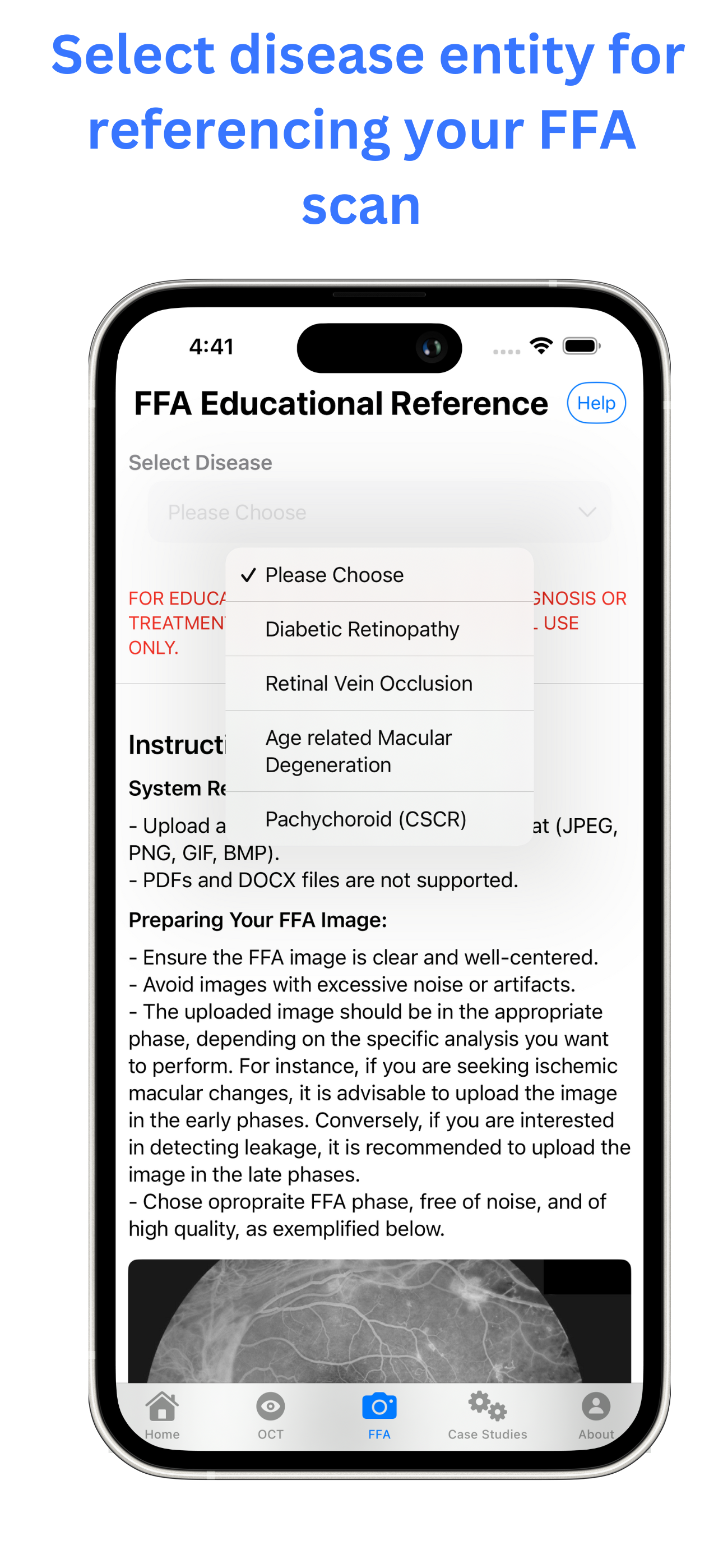
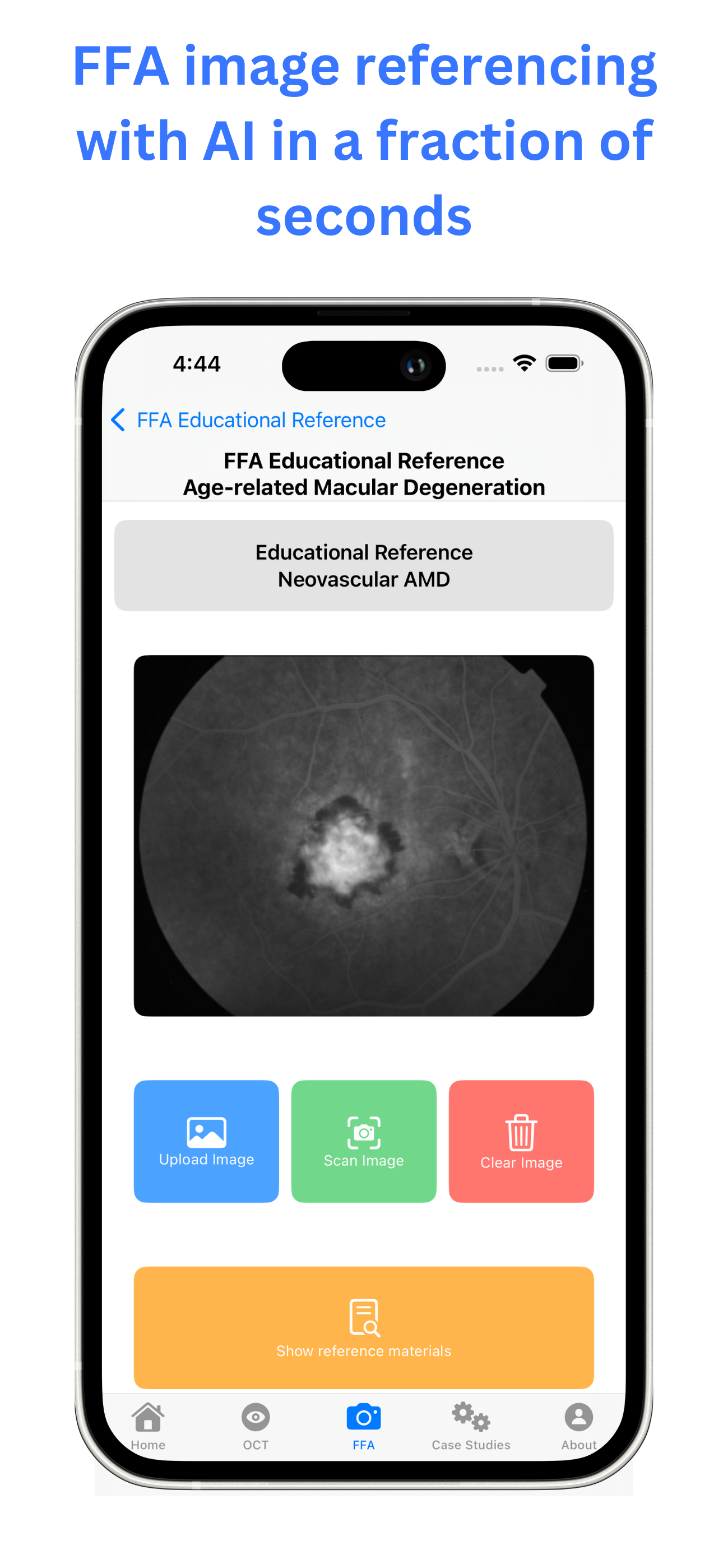
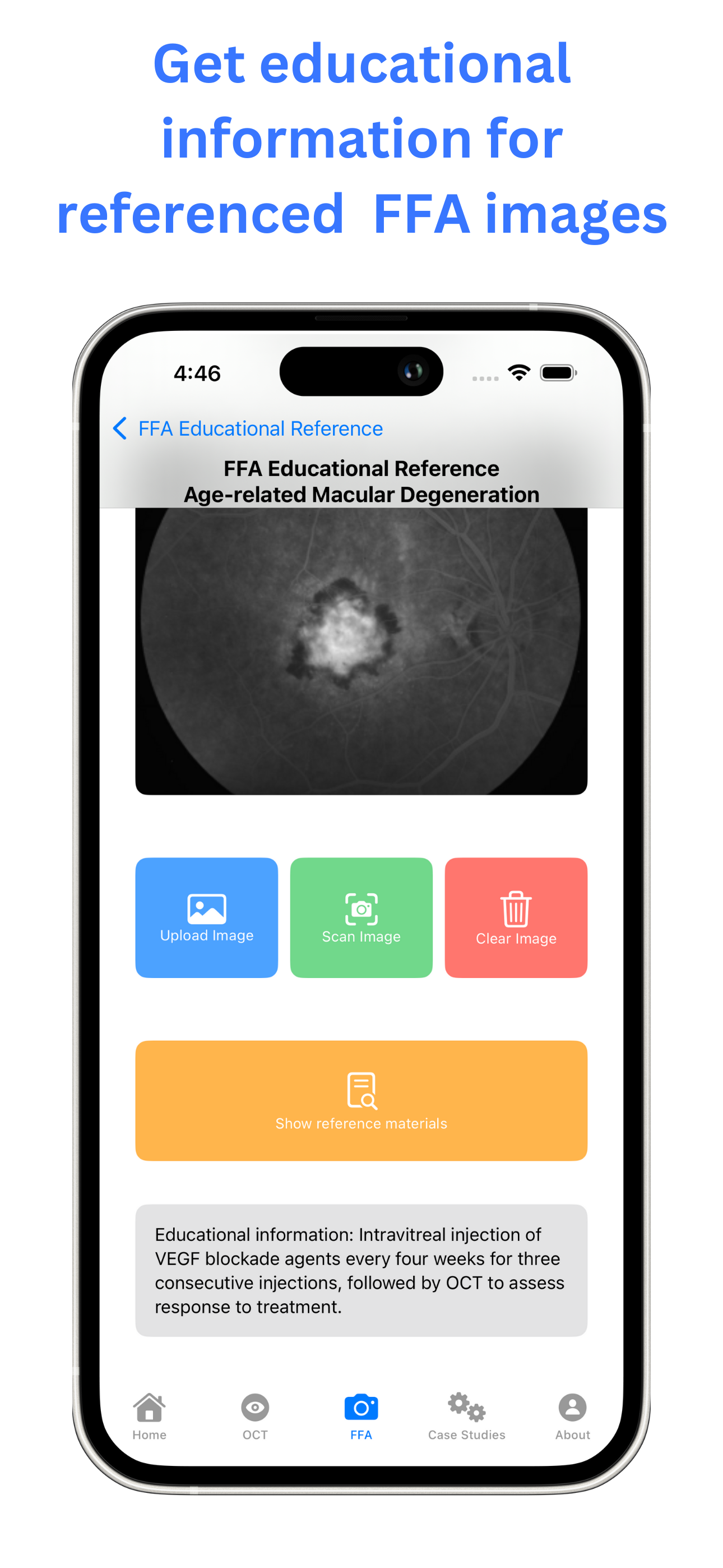
📸 Educational FFA Reference

  • FFA Reference helps referencing macular diseases with up to 84.5% accuracy.
  • Quickly access educational information and streamline plans for education.
  • Concentrates on referencing diseases rather than extracting characteristics or findings.

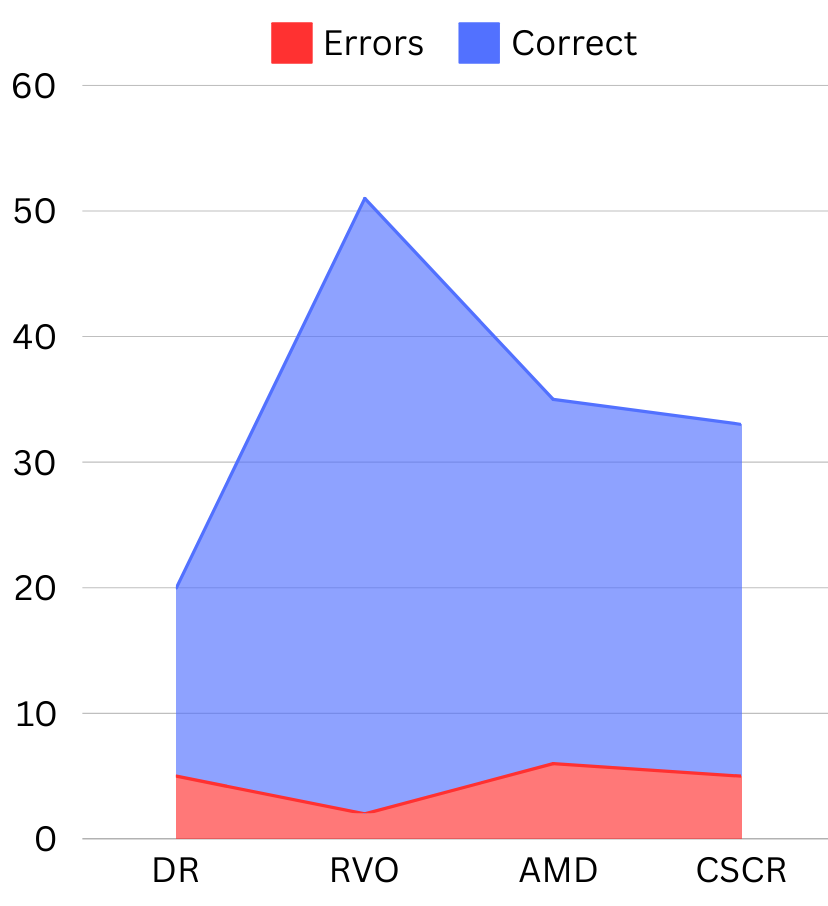
Overall Accuracy by Condition

  • Diabetic Retinopathy (DR): 75.0%
  • Retinal Vascular Occlusion (RVO): 96.1%
  • Age-Related Macular Degeneration (AMD): 82.9%
  • Pachychoroid (CSCR): 84.9%

Highlights

  • RVO (96.1%): Exceptional reliability, with very few misreferencing.
  • AMD (82.9%): Strong detection overall; most errors involve subtle macular neovascularization.
  • CSCR (84.9%): Solid performance; occasional misses in smokestack leakage or minimal neovascular presentations.
  • Diabetic Retinopathy (75.0%): Good baseline accuracy; however, it can misreference in cases with neovascularization.

⚠️ Clinical Use Disclaimer

mRetinaLearn supports, but does not replace, expert judgment. All outputs must be reviewed by a qualified retinal specialist, and treatment should be individualized. To achieve optimal results, it is imperative to adhere to the recommended image-quality guidelines provided within the application to enhance the performance of the OCT/FFA references.

Ready to get started?

Download, and review the privacy policy.

Elevate Your Practice

Beyond clinical tools, master retina with video courses, digital textbooks, and clinical manuscripts.