Navigating Treatment Options for Diabetic Macular Edema
Retinal Debate about the utilization of intravitreal steroids vs VEGF blockade agents for cases of diabetic macular edema. Dr. Mustafa Hassoun debates the use of intravitreal VEGF blockade agents, vs Dr. Quratulain Paracha debating the use of intravitreal steroids. Dr. Ameen Marashi gives the final verdict, and Dr. Hina Khan shares her expert clinical experience.

In this webinar, leading specialists discuss and debate the optimal treatment pathways for Diabetic Macular Edema (DME), focusing on the efficacy and rational use of the two primary intravitreal therapies:
Meet our expert panelists who provide arguments, clinical insights, and final verdicts on DME management.
Defending the use of intravitreal VEGF blockade agents for DME.
Defending the use of intravitreal steroids for DME.
Sharing extensive clinical experience with both VEGF blockade agents and steroid utilization for DME.
Providing the final verdict on the rational utilization of commercially available VEGF blockade agents and steroids.
Watch the full webinar and debate on Anti-VEGF vs Steroids for DME.
Dr. Mustafa Hasoun
Dr. Quratulain Paracha
Dr. Hina Khan
Dr. Ameen Marashi
Key takeaways from each round of the debate:
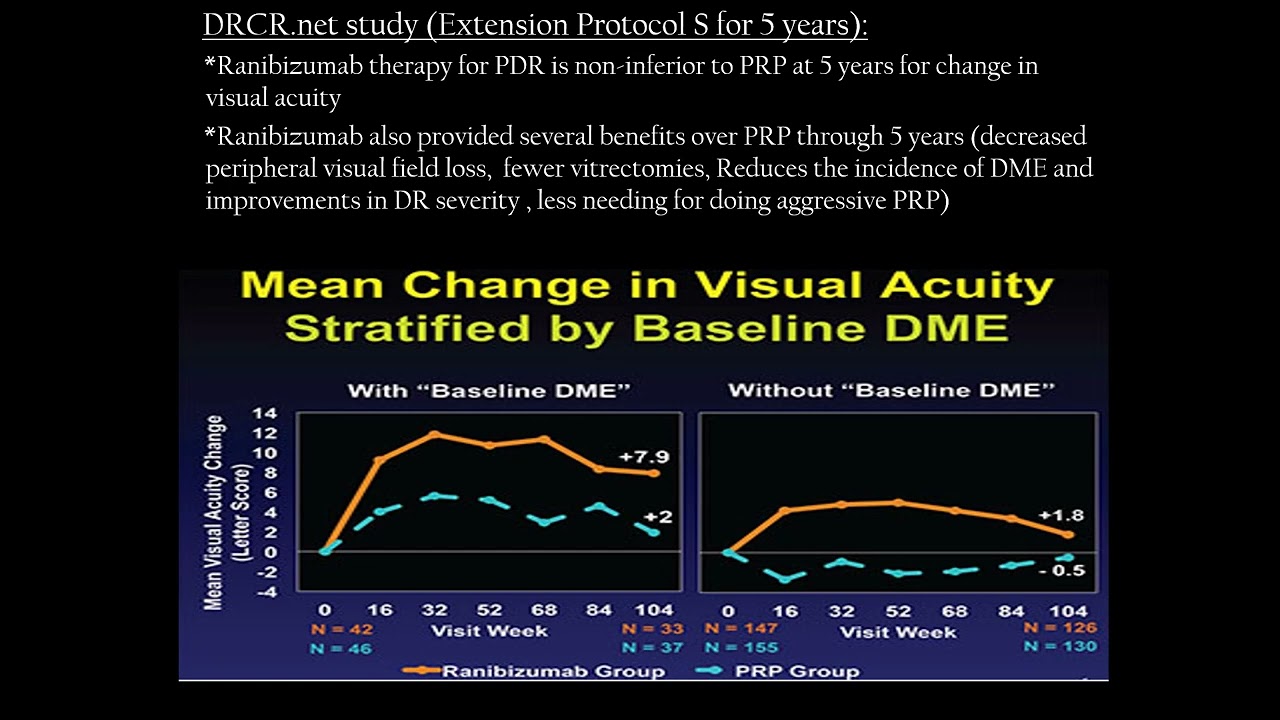
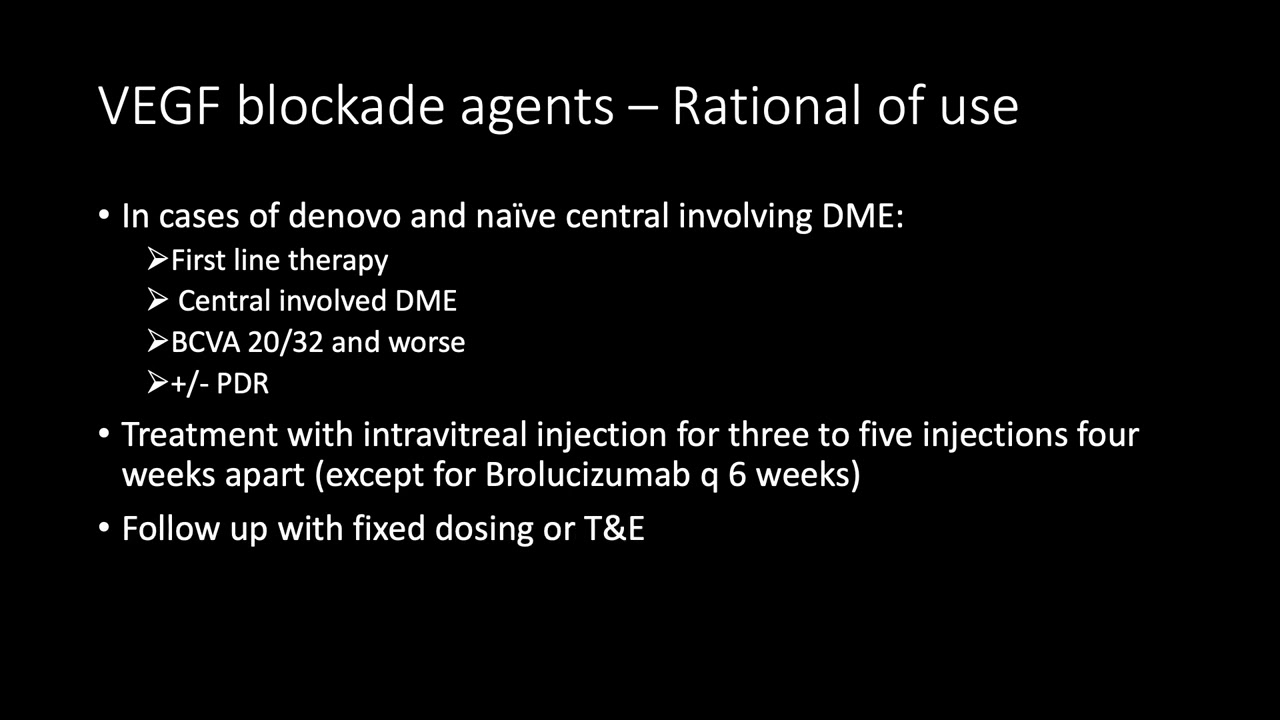
Anti-VEGF therapy is an effective and safe for naive, denovo, and refractory DME. It is cost-effective using Bevacizumab, and you may gain better visual acuity outcomes by using Ranibizumab or Aflibercept in cases presented with worse visual acuity at baseline. In addition, intravitreal Anti-VEGF may improve DR status. Finally, there are promising results in newly approved Anti-VEGF agents in terms of the durability of the treatment.
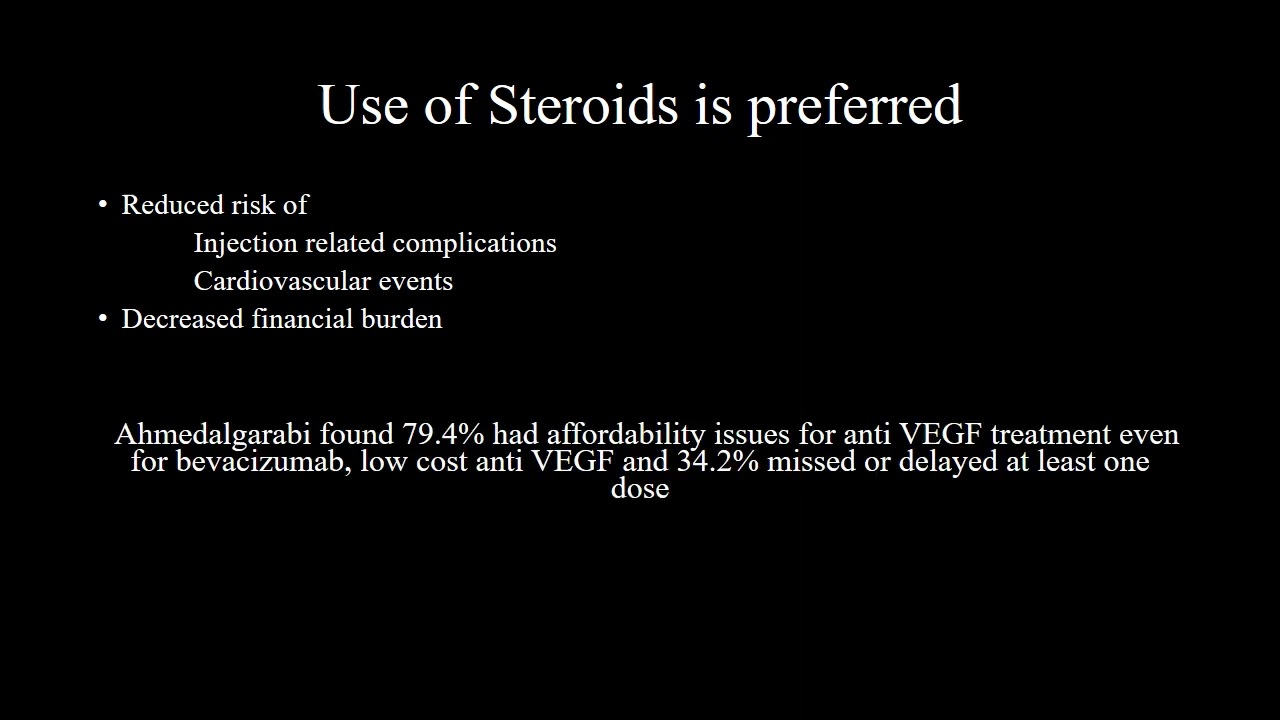
In DME, beneficial gain of steroids is achieved by appropriate patient selection. The timing of injecting and switching from anti-VEGF agent to steroids may add durability and cost benefits but with an increased risk of IOP spikes and cataract.
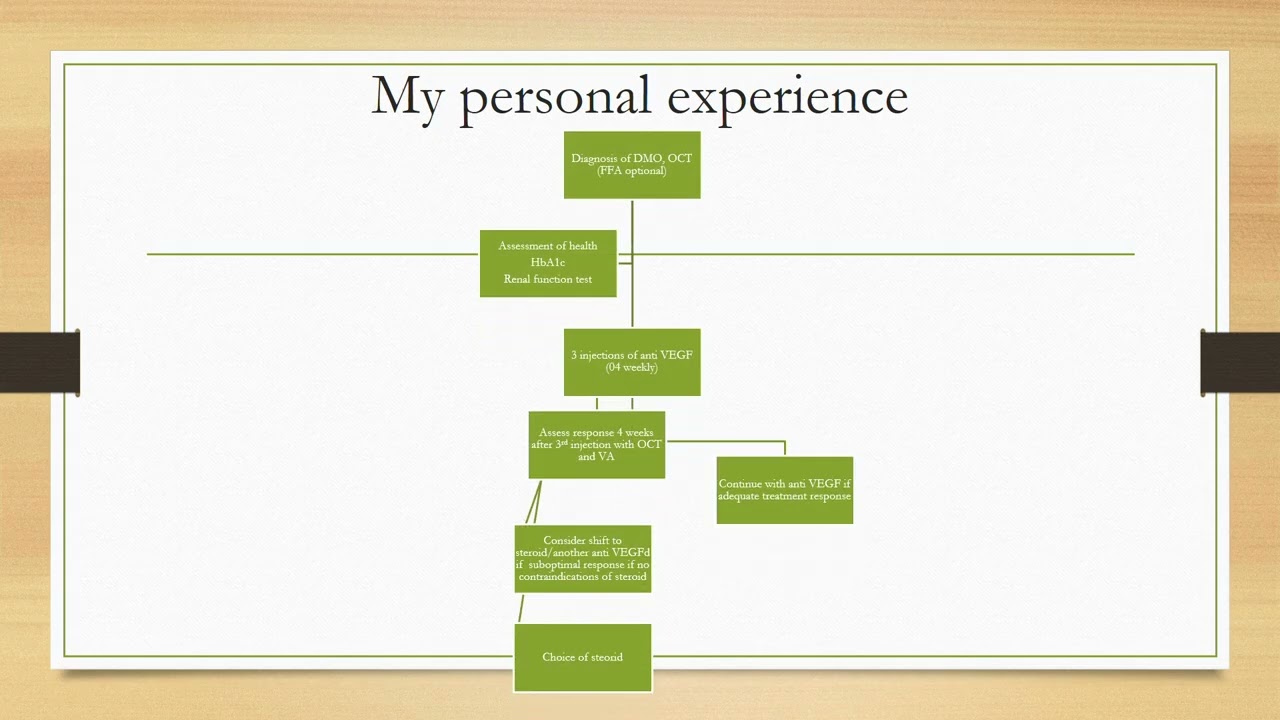
Whether to use anti-VEGF or steroids in a case of DME is an important question. An equally important question is when to shift from one agent to the other.
These presentations are designed for professional education among ophthalmologists. The discussions represent expert opinions and are intended for educational purposes only. All clinical decisions must be made by qualified specialists based on individual patient assessment and established treatment guidelines.
View more retinal debates and expert discussions.
Beyond collaborative meetings, explore our AI tools, curated video courses, and digital textbooks.
AI-powered on-device OCT & FFA decision support and triage assistant. 100% offline and private.
Explore AI Tools →Professional development through curated video courses with self-assessment tests and cases.
Start Learning →A digital library of 10+ clinical textbooks and atlases authored for retina specialists.
View Collection →