RETINAL DEBATE

Antibiotics vs Vitrectomy for Endophthalmitis

Intravitreal antibiotics vs Pars Plana Vitrectomy

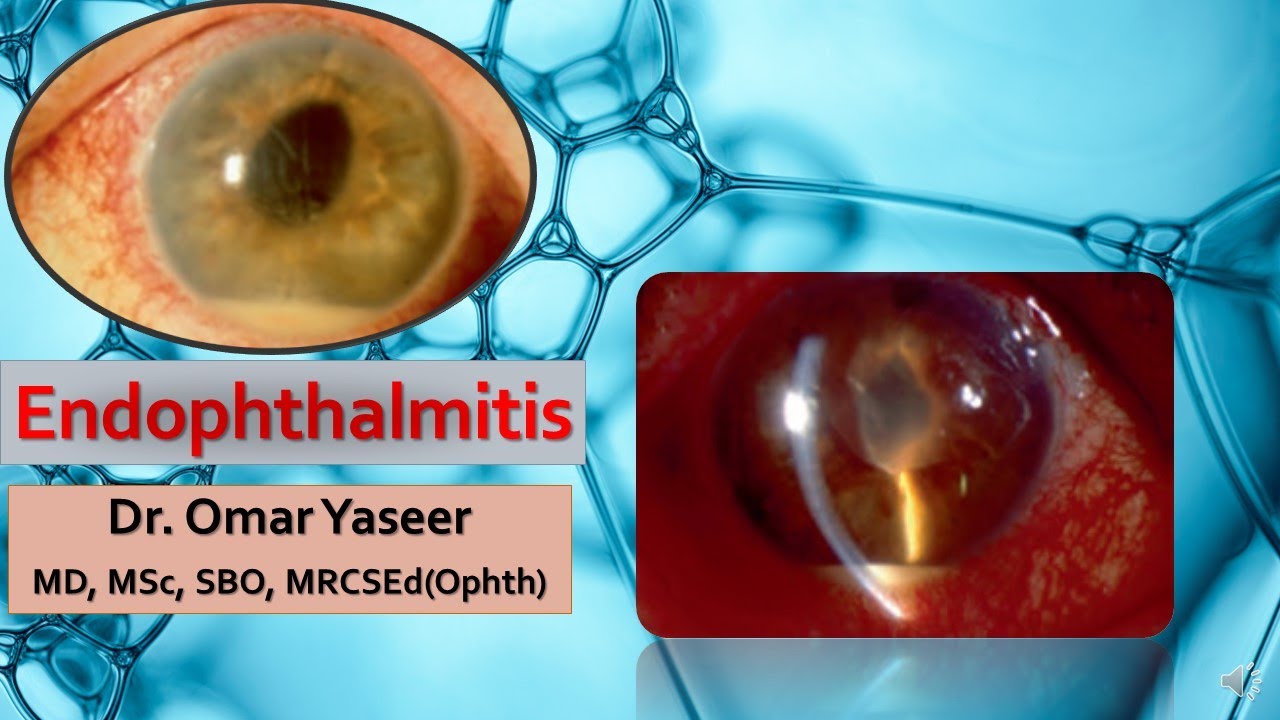
Retinal Debate about the utilization of intravitreal antibiotics vs Pars Plana Vitrectomy for Endophthalmitis. In the era of vitrectomy, is there still a role for antibiotics? But if we lack facilities and experts, are antibiotics sufficient to treat this devastating disease?

About This Debate

In this webinar, leading specialists discuss and debate the controversial topic of how to approach cases of endophthalmitis:

  • Vitrectomy (PPV): The rationale for greater reduction of bacterial load, clearance of toxins and inflammatory debris, and faster visual recovery.
  • Intravitreal Antibiotics: The case for early intervention when a fully equipped operating room and vitreoretinal surgeon are not immediately available.
Antibiotics Vitrectomy Endophthalmitis

⚖️ Debate Participants

Meet our expert panelists who provide arguments, clinical insights, and final verdicts on Endophthalmitis management.

THE USE OF VITRECTOMY

🔪 Pro Vitrectomy

Defending the use of Pars Plana Vitrectomy (PPV) for endophthalmitis.

Speaker: Dr. Omar Yaseer, MD, MRCSEd(Ophth)
Syrian Ophthalmology Resident • Tishreen University, Latakia
THE USE OF ANTIBIOTICS

💊 Pro Antibiotics

Defending the use of intravitreal antibiotics for endophthalmitis.

Speaker: Dr. Marwa Baba, MD, SBO
Syrian Ophthalmologist • Marashi Eye Clinic
THE VERDICT

⚖️ Final Verdict

Providing the final verdict on the rational use of antibiotics vs vitrectomy.

Speaker: Dr. Ameen Marashi, MD, SBO
Syrian ophthalmologist, retina specialist, published author • Al-Marashi Clinics Group owner

🎬 Debate Video

Watch the full webinar and debate on Antibiotics vs Vitrectomy for endophthalmitis.

Pars Plana Vitrectomy for Endophthalmitis

Dr. Omar Yaseer

Pars Plana Vitrectomy

Intravitreal Antibiotics for Endophthalmitis

Dr. Marwa Baba

Intravitreal Antibiotics

The verdict in rational use of Antibiotics vs Vitrectomy

Dr. Ameen Marashi

The verdict

📋 Debate Summary

Key takeaways from each round of the debate:

📝 Key Arguments & Conclusions

For the Vitrectomy round:

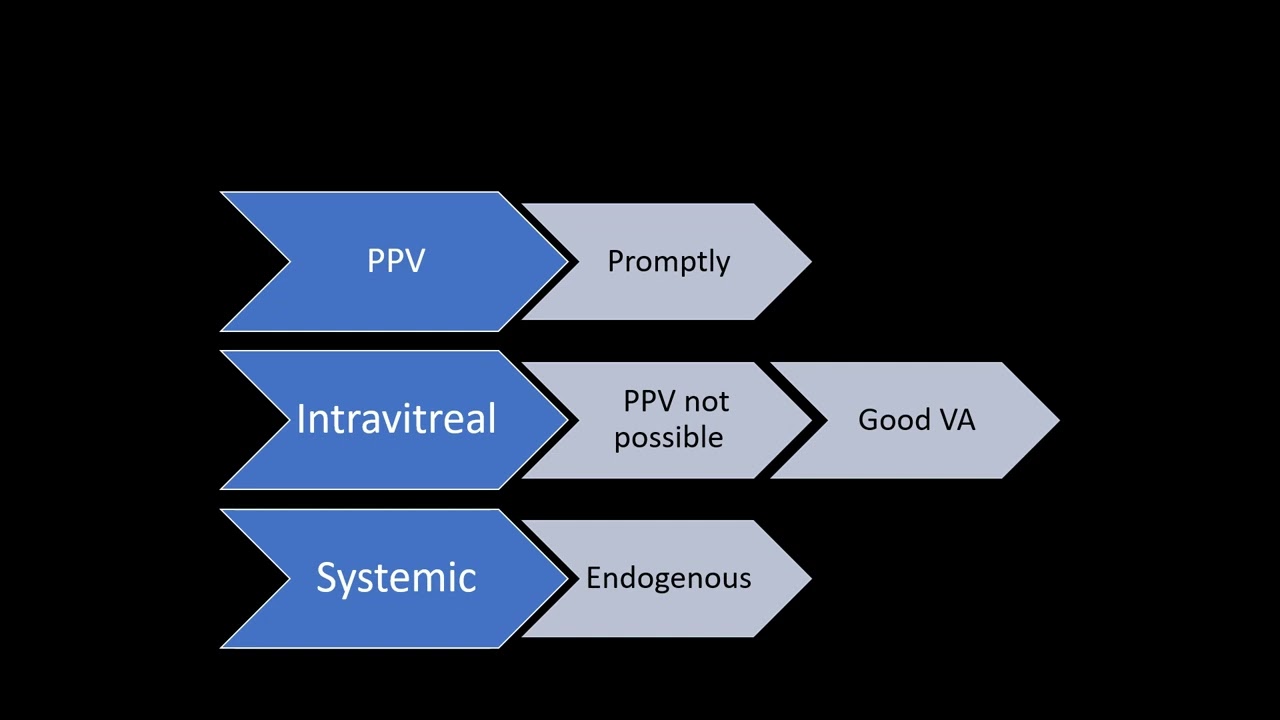
Advances in surgical techniques have meant that PPV, in the context of endophthalmitis, frequently involves induction of posterior vitreous detachment (PVD) and a greater than 50% clearance of vitreous. There is, therefore, greater reduction of bacterial load and greater clearance of toxins and inflammatory debris. Micro-Incision Vitrectomy Surgery results in reduced intra-operative trauma and fewer complications, reduced post-operative inflammation and faster post-operative visual recovery. Immediate vitrectomy is recommended for the most severe infections especially when an experienced vitreoretinal surgeon is available.

For the Intravitreal Antibiotic round:

In an ideal world, we would have a Vitreoretinal surgeon and fully staffed operating room immediately available, but this is not always the case. When endophthalmitis is diagnosed, a timer should be started for the administration of intravitreal antibiotics in the most sterile setting available, regardless of the presence of microbiological facilities.

For the Verdict round (Rational Use):

An ophthalmologist should treat infectious endophthalmitis as an emergent situation right after diagnosing it with clinical examination and B-scan. PPV with obtaining an adequate vitreous sample for culturing and injecting intravitreal antibiotics should be considered as first-line therapy as soon as infectious endophthalmitis is diagnosed, especially when acute post-cataract infectious endophthalmitis presents with severe clinical presentations and poor vision. If PPV is not possible or not available, then intravitreal antimicrobial therapy, along with systemic and topical medication, with tapping the vitreous to collect a vitreous sample for culture.

⚠️ Educational Use Disclaimer

These presentations are designed for professional education among ophthalmologists. The discussions represent expert opinions and are intended for educational purposes only. All clinical decisions must be made by qualified specialists based on individual patient assessment and established treatment guidelines.

Explore more debates

View more retinal debates and expert discussions.

Elevate Your Practice

Beyond collaborative meetings, explore our AI tools, curated video courses, and digital textbooks.