RETINAL DEBATE

PRP vs Anti-VEGF for PDR

Intravitreal VEGF blockade agents vs Panretinal Photocoagulation

Retinal Debate about the utilization of intravitreal VEGF blockade agents vs PRP for cases of Proliferative Diabetic Retinopathy (PDR). Dr. Mayssam Haykalliya debates the use of anti-VEGF, vs Dr. Zeina Al junaidi debating the use of PRP. Dr. Ameen Marashi gives the final verdict, and Dr. Noura Almansoori shares her expert clinical experience.

About This Debate

In this webinar, leading specialists discuss and debate the optimal treatment pathways for Proliferative Diabetic Retinopathy (PDR), focusing on the efficacy and rational use of two primary therapies:

  • Anti-VEGF Agents: Their role in reducing the severity of DR, improved visual acuity gains, and impact when DME coexists.
  • Panretinal Photocoagulation (PRP): The mainstay treatment's durability, cost-effectiveness, and essential role in cases with compliance issues or high-risk features like rubeosis iridis.
Anti-VEGF PRP Laser PDR

βš–οΈ Debate Participants

Meet our expert panelists who provide arguments, clinical insights, and final verdicts on PDR management.

THE USE OF ANTI-VEGF

πŸ’‰ Pro Anti-VEGF

Defending the use of intravitreal VEGF blockade agents for PDR.

Speaker: Dr. Mayssam Haykalliya, MD, MSc
Syrian Ophthalmology Resident β€’ Kalamoon University
THE USE OF PRP

πŸ”¦ Pro PRP

Defending the use of Panretinal Photocoagulation (PRP) for PDR.

Speaker: Dr. Zeina Al Junaidi, MD, FICO, ABO, SBO
Practicing ophthalmologist in Damascus, Syria β€’ Certificate of Arab Board of Ophthalmology
EXPERT OPINION

πŸ‘¨β€βš•οΈ Clinical Practice Insight

Sharing extensive clinical experience with VEGF blockade agents and PRP utilization for PDR.

Speaker: Dr. Noura Almansoori
Emirati consultant ophthalmologist β€’ Deputy Medical Director at Samaya specialized Center, Abu Dhabi
THE VERDICT

βš–οΈ Final Verdict

Providing the final verdict on the rational utilization of commercially available VEGF blockade agents and PRP.

Speaker: Dr. Ameen Marashi, MD, SBO
Syrian ophthalmologist, retina specialist, published author β€’ Al-Marashi Clinics Group owner

🎬 Debate Video

Watch the full webinar and debate on PRP vs Anti-VEGF for PDR.

The use of intravitreal Anti-VEGF for PDR

Dr. Mayssam Haykalliya

The use of intravitreal Anti-VEGF for PDR

The use of PRP for PDR

Dr. Zeina Al Junaidi

The use of PRP for PDR

Expert opinion on the use of intravitreal Anti-VEGF vs PRP

Dr. Noura Almansoori

Expert opinion

The verdict in rational use of intravitreal Anti-VEGF vs PRP

Dr. Ameen Marashi

The verdict

πŸ“‹ Debate Summary

Key takeaways from each round of the debate:

πŸ“ Key Arguments & Conclusions

For intravitreal Anti-VEGF round:

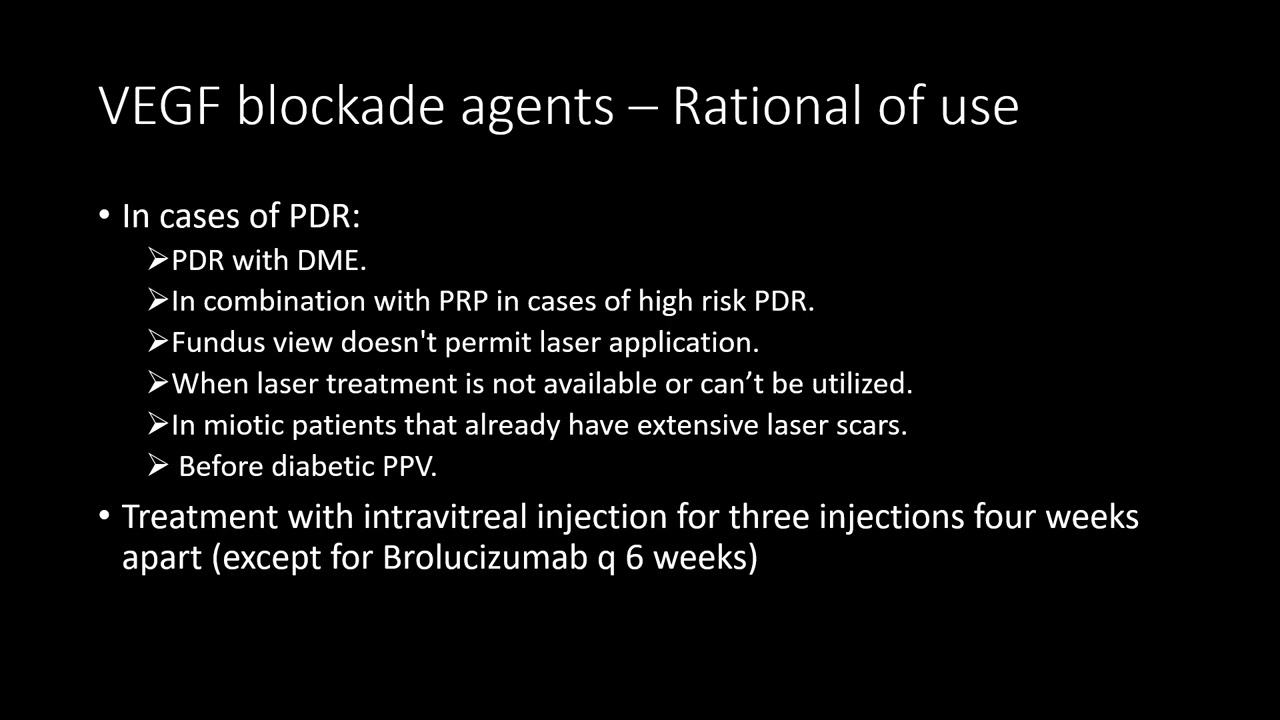
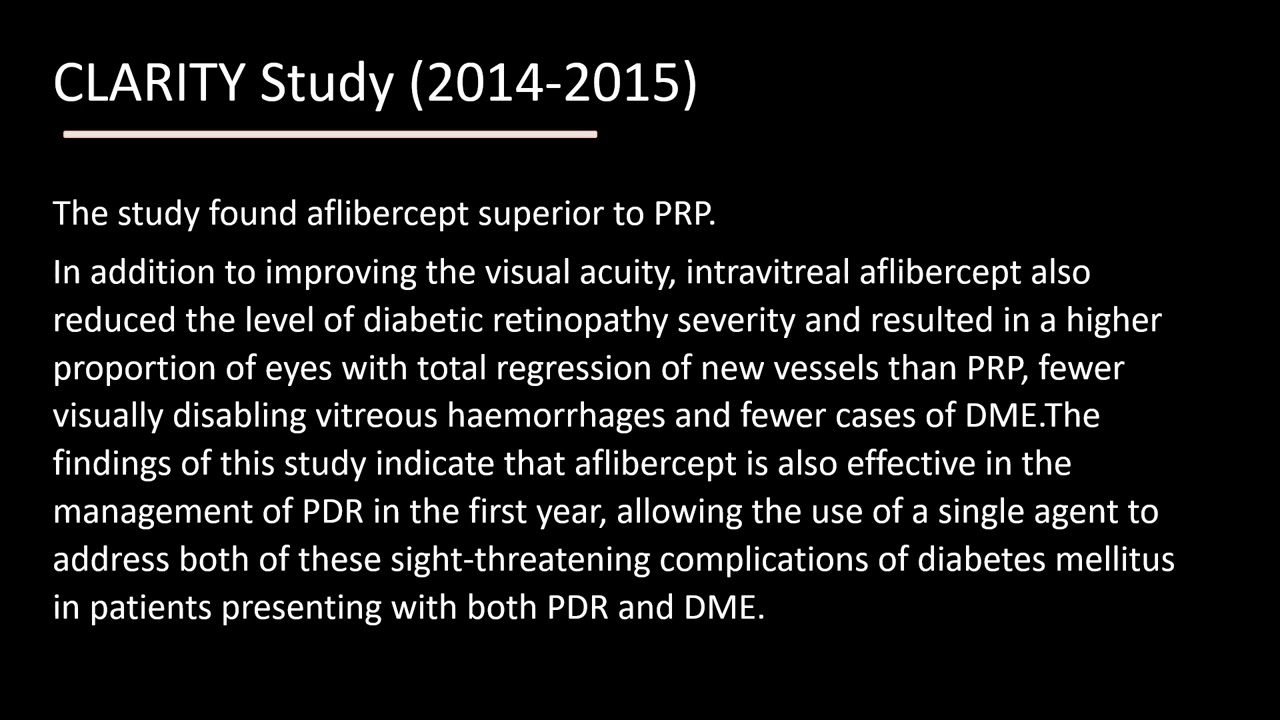
A major breakthrough in the treatment of PDR has been the development of anti-VEGF medications. Studies have shown that anti-VEGF can be used in conjunction with PRP, if not instead of it. In most studies, anti-VEGF results in improved VA gains and a significant reduction in CST. Anti-VEGF treatment has the additional advantage of regressing PDR back to NPDR more quickly in treated eyes. Due to the fact that anti-VEGFs can reduce the severity of DR, especially when DME coexists. Still, it remains to be seen whether anti-VEGF is better than PRP. Ophthalmologists in developing countries have been faced with this dilemma constantly. A patient's best treatment must take into account cost, compliance, and practicality.

For PRP round:

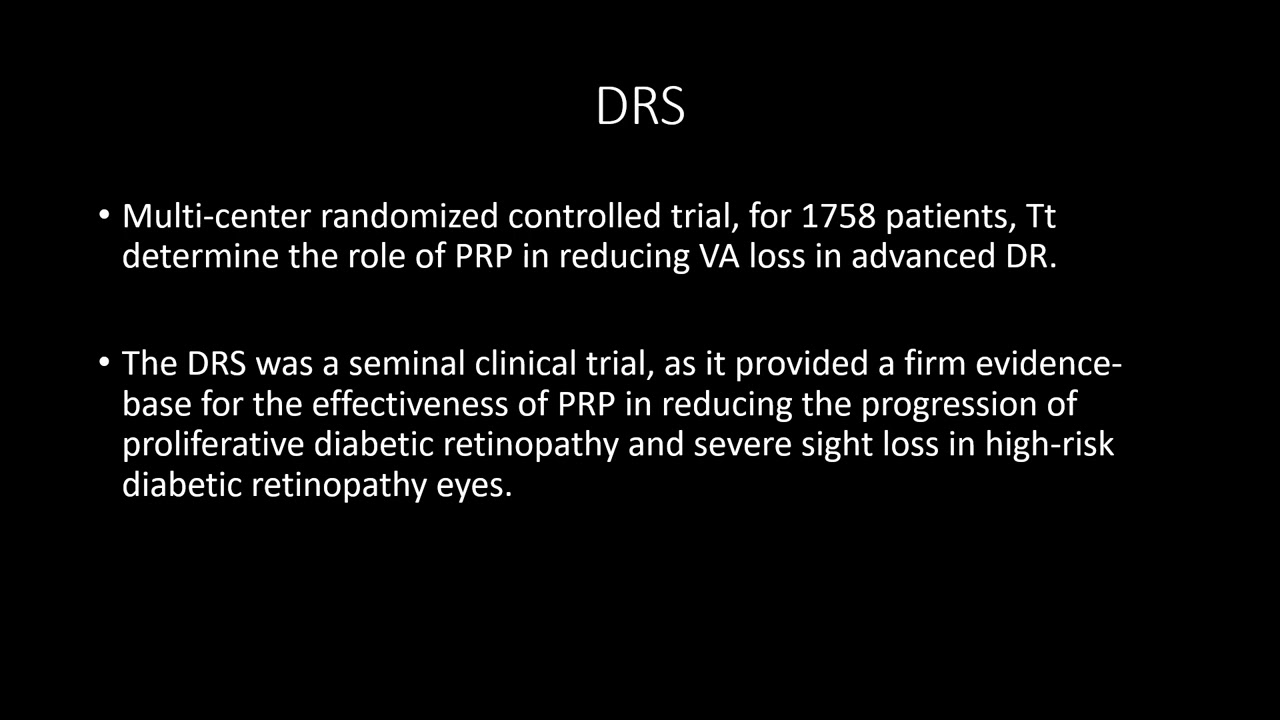
Every patient is a distinct case, think of the patient’s lifestyle and examination status before making a decision. PRP is still a mainstay treatment for vitreous hemorrhage, patients who can’t follow up, pregnancy, and patients at high risk of cardio-cerebral vascular events. Always consider the chance of endophthalmitis and retinal detachment in every injection along with the increased cost burden on the patient.

For expert opinion round:

Always think about the patient as a whole person. Keep in mind different aspects of DM and use a checklist to tailor the best treatment for your patient. Consider:

  • Patient Condition
  • Fundus exam
  • Lens condition
  • Iris rubeosis
  • Insurance coverage
  • Access to medications and access to laser
  • The condition of the other eye

For verdict round (Rational Use):

  • Mainstay: PRP is a mainstay treatment for cases of very severe NPDR and early PDR without DME and in cases that are contraindicated to Anti-VEGF injections.
  • Durability: PRP is more durable and cost-effective.
  • Mandatory: PRP must be applied in cases of vitreous hemorrhage and rubeosis iridis.
  • Combination: In cases of high-risk PDR adding an intravitreal injection of Anti-VEGF will reduce the need for aggressive PRP with rapid regression of PDR. In cases of PDR combined with DME, adding the intravitreal injection of VEGF will help to manage both proliferative changes and DME.
  • Compliance: Always consider adding PRP when treating PDR with Anti-VEGF, especially in patients with compliance issues.
  • Burden: Intravitreal injection of Anti-VEGF will have rapid regression of PDR but it has a cost burden, needs close follow up, and requires multiple injections annually.

⚠️ Educational Use Disclaimer

These presentations are designed for professional education among ophthalmologists. The discussions represent expert opinions and are intended for educational purposes only. All clinical decisions must be made by qualified specialists based on individual patient assessment and established treatment guidelines.

Explore more debates

View more retinal debates and expert discussions.

Elevate Your Practice

Beyond collaborative meetings, explore our AI tools, curated video courses, and digital textbooks.